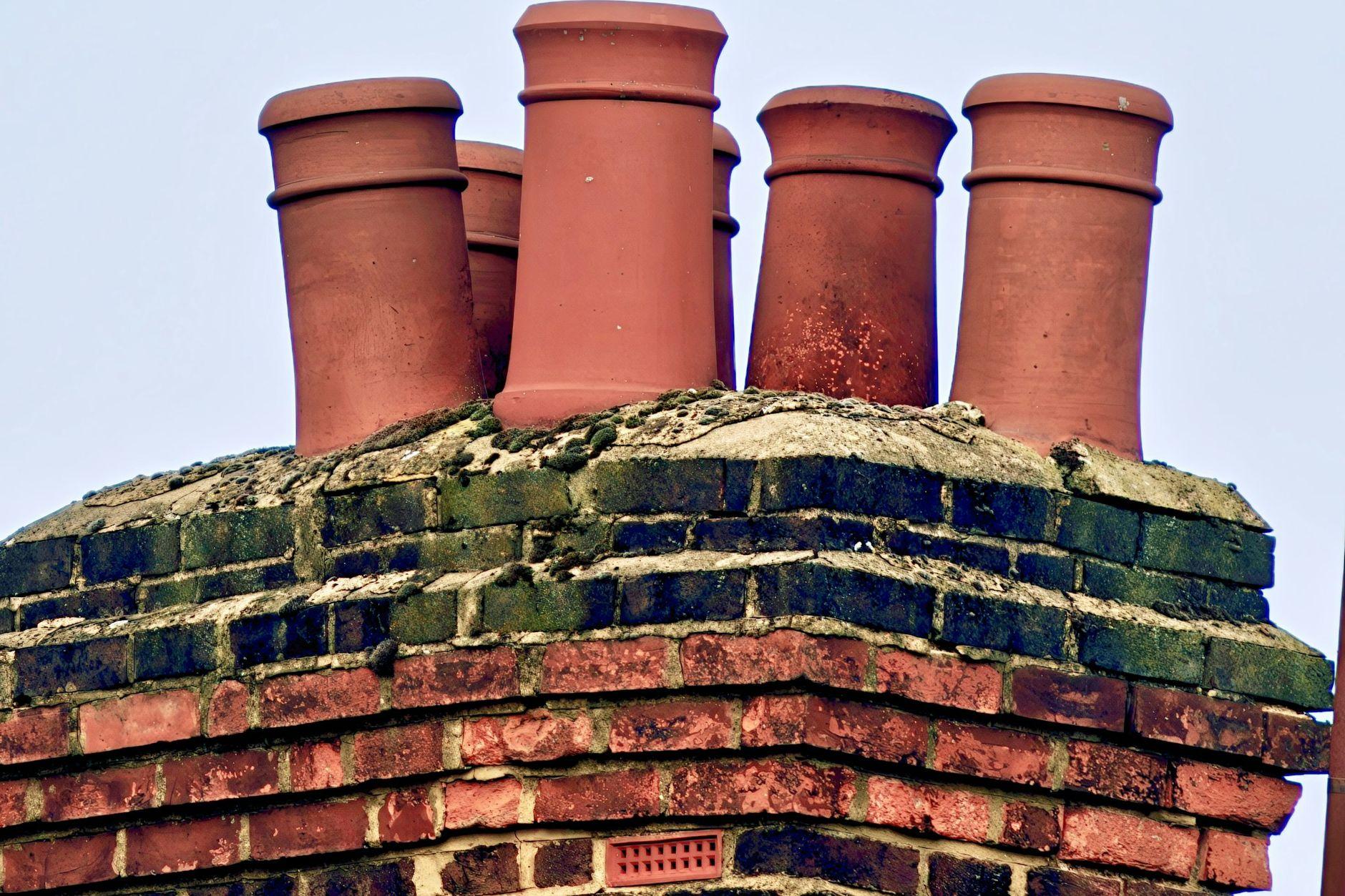
The chimney is the oldest system in the house
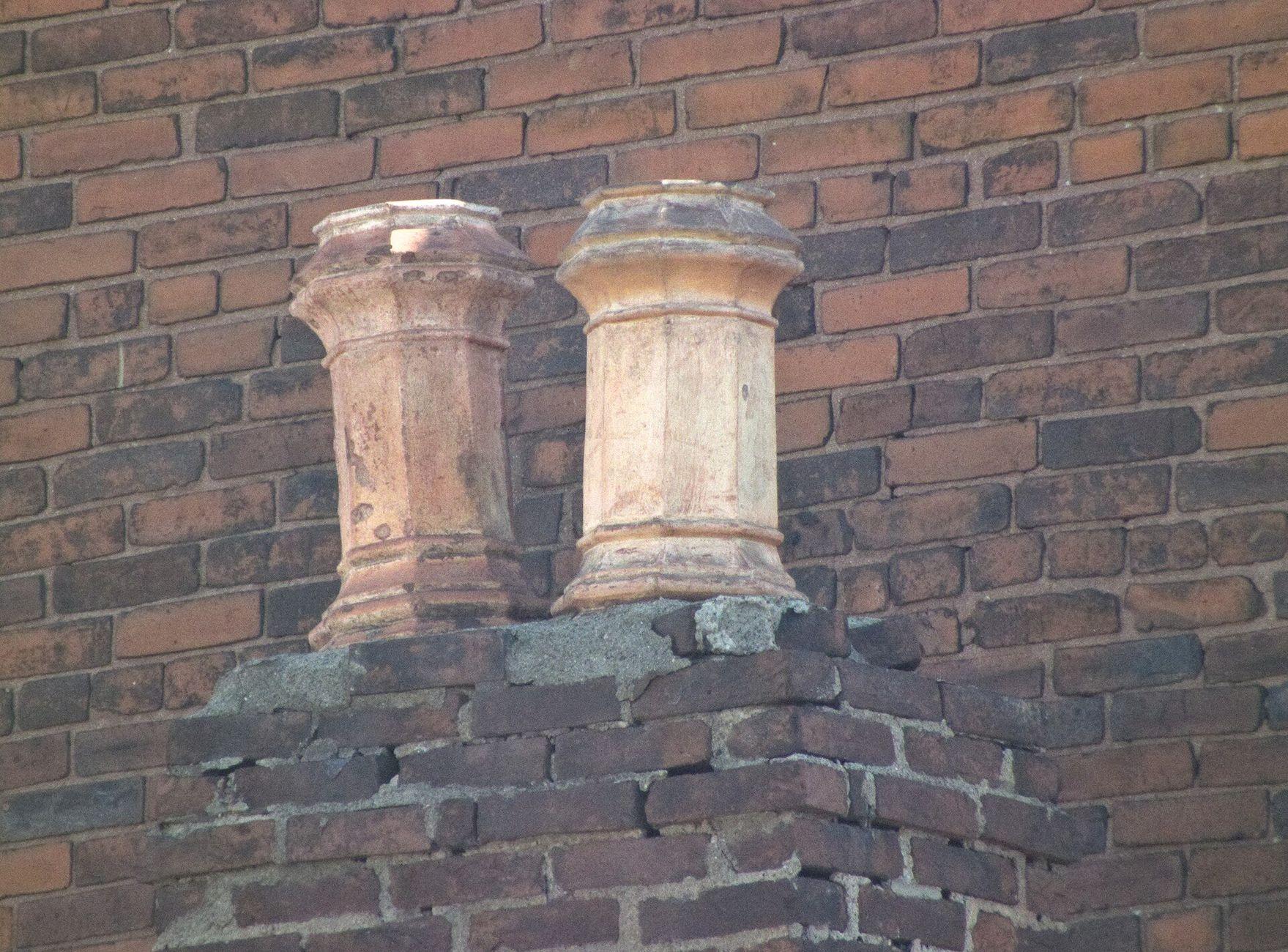
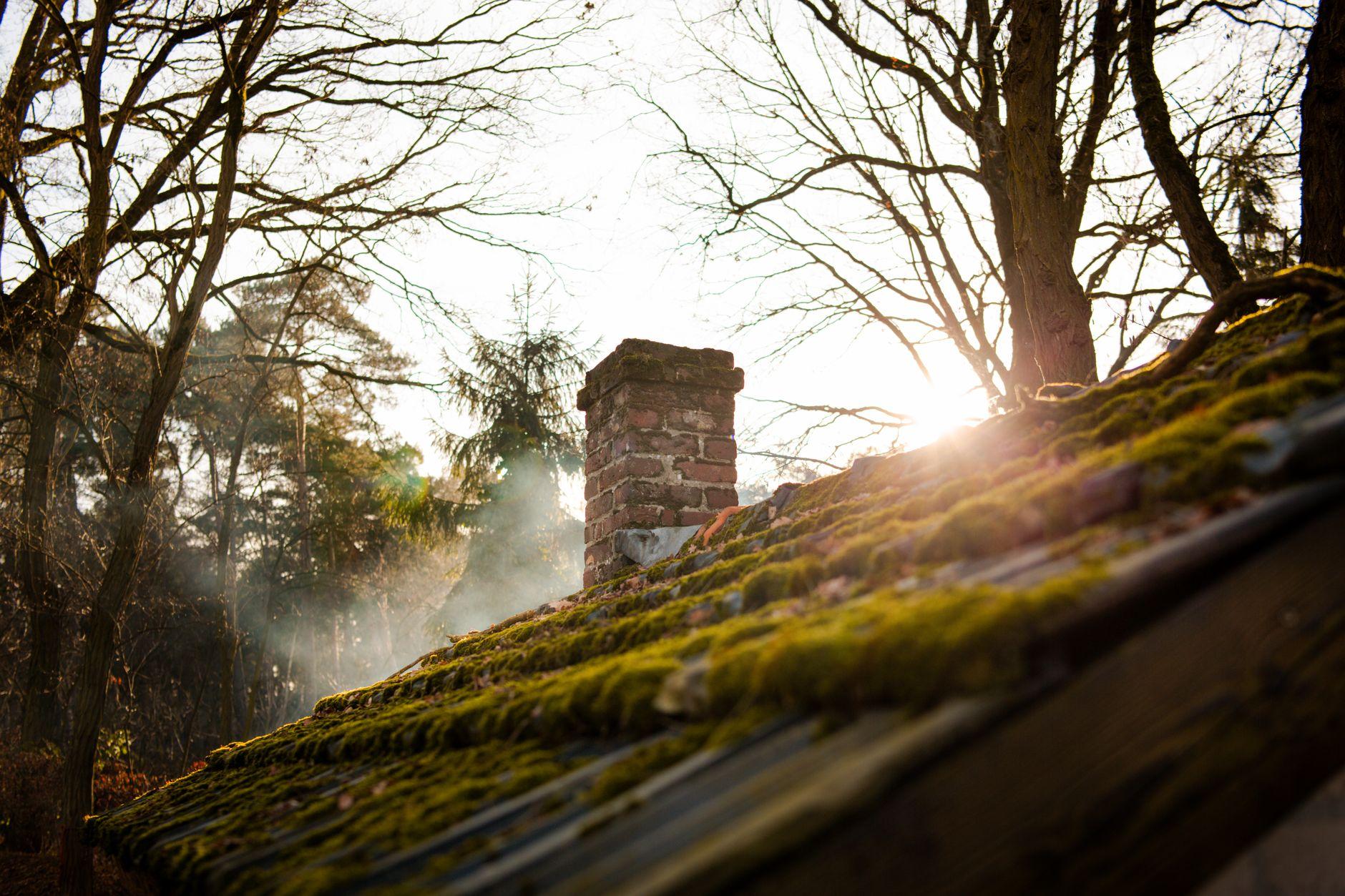
On a Santa Paula house built before the war, the wiring has usually been redone, the plumbing replaced and the roof covered two or three times. The chimney is often original. It has been through every winter since the house went up, at least one big quake, and an unknown number of owners who each used the fireplace their own way. When you buy the house, you buy all of that history without a record of any of it.
That is the case for a Level 2 inspection during escrow. A general home inspection is a broad survey of the whole house; the chimney gets a line or two and a recommendation to call a specialist. We are that specialist. The Level 2 sends a camera through the full length of every flue and pairs the footage with a look at the roof, the attic and the firebox, so the findings come from inside the chimney rather than from a guess about it.
What each era of house tends to hide
Older houses in Santa Paula and Fillmore were built in waves, and each wave left a typical chimney behind.
Houses from the 1900s to the 1930s. Many of these flues are bare brick or an early, thin clay tile. The mortar is lime-based and soft. Common findings are gaps between tiles, missing mortar at the joints inside the flue, and a smoke chamber that was never smoothed and has crumbled. The top courses above the roof are often loose.
Houses from the 1940s and 1950s. Clay tile was standard by then, but many of these chimneys carry a second flue for a furnace or water heater beside the fireplace flue. When the furnace was replaced with a newer one, the old flue was sometimes left too large for it, which matters for venting.
Houses from the 1960s and 1970s. Some have masonry, some have early factory-built fireboxes with metal pipe. The metal ones have model plates and a fixed list of parts; if parts are no longer made, that changes the repair options.
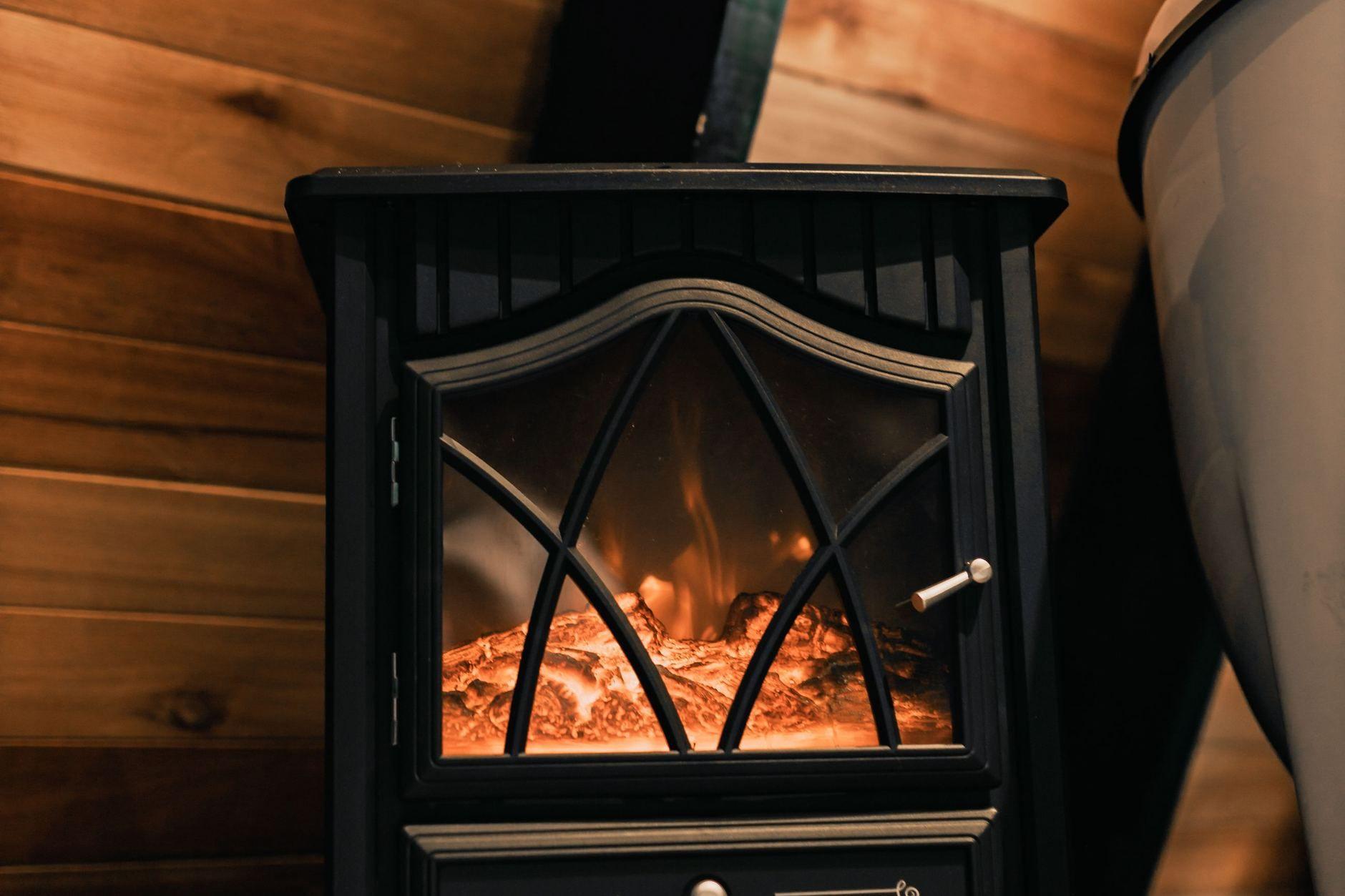
Any era: the conversion. Gas logs set into an old brick fireplace, a wood stove pushed into the opening, a fireplace closed off with a board. Each conversion changes what the flue has to do, and we check whether it can.
What the camera finds that the room does not
From the living room you see the face brick, the opening, the hearth and the firebox. Almost everything that decides whether the chimney is safe sits behind and above that. The camera finds:
- Cracked or offset flue tiles, which let heat reach the wood framing around the chimney.
- Creosote glaze from years of slow, smoky fires.
- Debris shelves where a past chimney fire broke tile.
- Nests, fallen brick or a collapsed section partway up.
- Gaps where the flue passes the attic floor and roof framing.
The roof and attic parts of the visit add the crown, the cap, the flashing and the way the chimney meets the framing. On older houses the attic often holds the clearest evidence of a past leak.
What it costs and what you receive
The Level 2 is $390. A Level 1 is $55; it suits a seller checking whether the firebox is usable, but for a purchase we recommend the camera. You receive a written report with numbered photos, each finding marked by where it sits and how much it matters, and a list of items that need repair before the fireplace is used.
Early in the inspection period is better than late, because any repair figure needs a site visit of its own and the seller will want time to answer. To set one up, send the property address and your inspection deadline, and we call back to arrange entry with whoever holds the keys.
Reading the findings during escrow
A report with findings is not a reason to walk away. Most older chimneys have something on the list. What matters is sorting the items into three piles:
- Safety items. Cracked tile, a gap at the framing, a chimney fire's damage. These should be fixed before anyone lights a fire, and they are fair to raise with the seller.
- Water items. A cracked crown, failed flashing, a missing cap. These get worse each winter and are usually modest repairs if caught.
- Wear. Spalled face brick, a sticky damper, old soot staining. Worth knowing, rarely urgent.
For anything that needs work, we can write a repair figure so the number in your request to the seller is a real one. Our list prices cover leak repair at $560 to $3,350. Caps are quoted after we measure. Masonry, liner and crown work get a written figure for the specific chimney. The post on brick repair costs for older chimneys explains what moves those.
When the seller has a recent report
Sometimes the seller offers an inspection from a year or two ago. Read the date and the level. A Level 1 does not include the camera. A Level 2 from before a wet winter or a known quake may be out of date. If the report is recent, thorough, and nothing has happened since, it may be enough; we will say so honestly if you ask.
When the roof cannot be reached
On older Spanish revival houses with clay tile roofs, we walk carefully and use boards around the chimney. If the roof cannot be reached safely, the report says the top was viewed from the ground and the camera, and lists what that leaves unconfirmed. Inspectors who skip that line leave the buyer guessing.
Next step
Brophy Chimney Pros inspects chimneys on older homes across Santa Paula, Fillmore, Ventura and Port Hueneme. If you are in escrow on one, or about to be, start on the contact page and tell us about the house and the date that matters to you.
An Older Chimney of Your Own?
Brophy looks before it prices, keeps sound original masonry, and writes up every repair with photos first. We work from Santa Paula and reach Fillmore, Ventura, Port Hueneme and the towns around them.