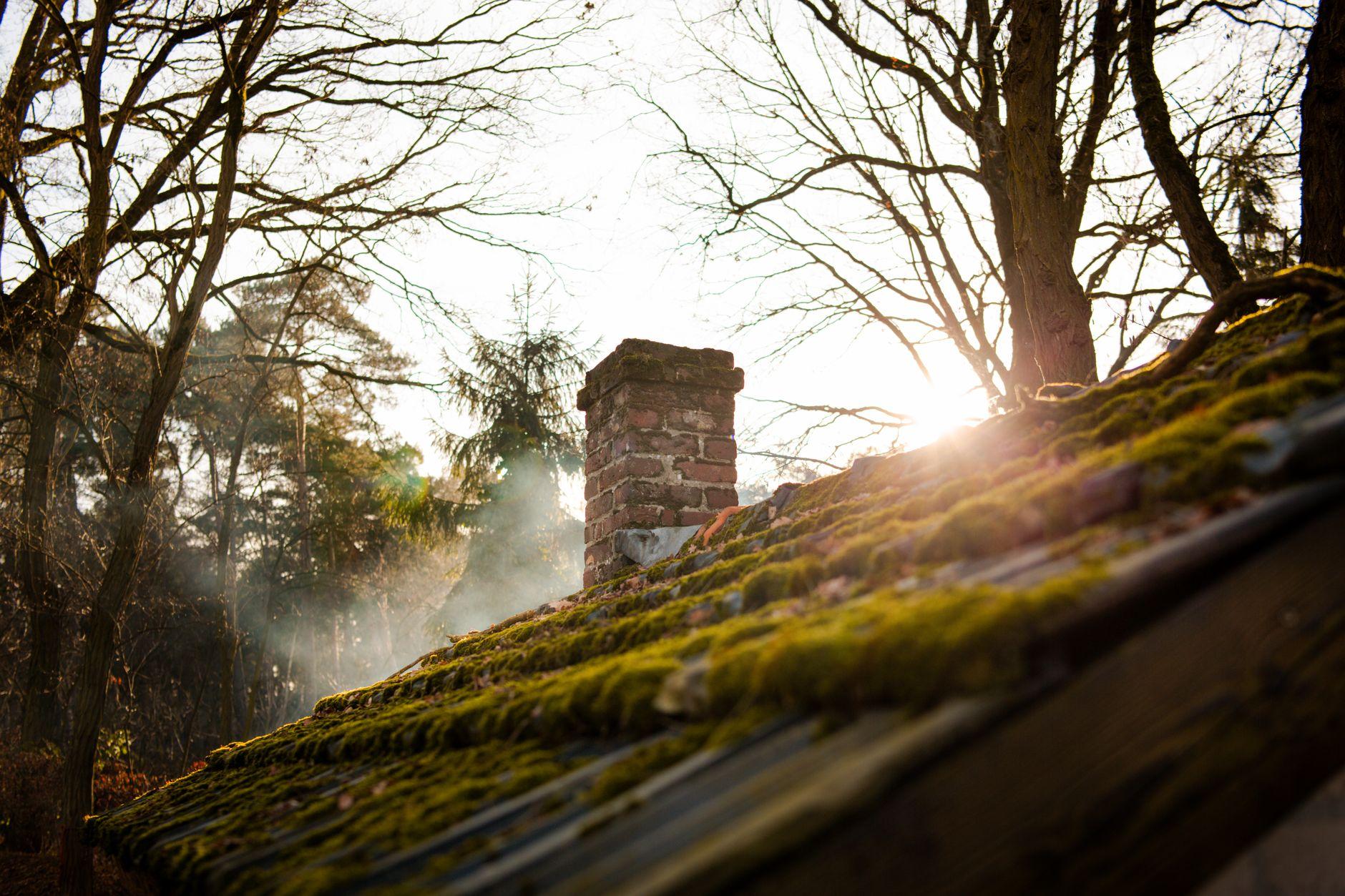
Old chimneys punish the wrong fix
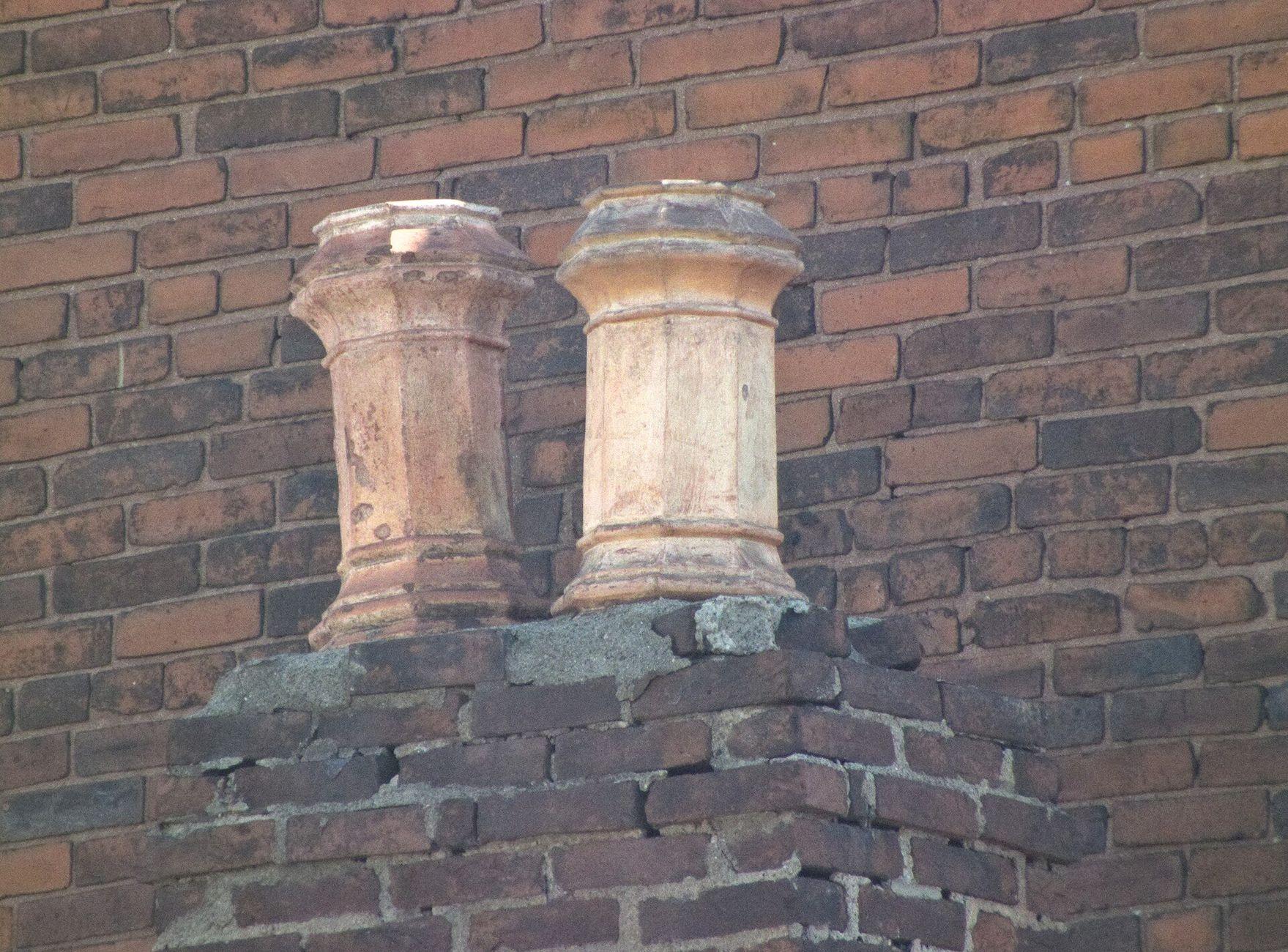
A chimney built in 1925 does not fail the way a chimney built in 1995 does, and it does not take the same repair. Most of the trouble we are called to on older houses in Santa Paula was not caused by age alone. It was caused by a past repair that suited a newer chimney: hard grey cement pointed into soft lime joints, a crown patched with roofing tar, silicone smeared over a crack, or stucco troweled over brick to hide it. Each one looked fine on the day and made the chimney worse over the next ten winters.
So the question when hiring is less about who is available and more about who understands what the house was built with. Here is what we would want to know if we were on your side of the table.
Five things to ask anyone you are considering
What mortar will you use, and why? On pre-war brick the right answer involves lime and a hardness matched to the brick. A contractor who says "standard mix" without asking about the age of the house is about to put cement into lime joints.
How do you handle the unknown depth of a rebuild? Nobody can see where firm mortar starts until the top courses come off. A careful bid says how far it expects to go, what each extra course adds, and that you approve before it goes further. A bid with one fixed number and no mention of depth either has padding built in or will come back with a change.
Where will replacement brick come from? Early brick sizes and colours are not on a supplier's shelf. Reusing whole original brick, and finding salvaged brick for the rest, keeps the chimney from looking patched.
Will you look inside the flue before quoting a liner or a rebuild? Outside damage and inside damage are not the same. A camera run tells both of you what the job really is.
What will I receive at the end? Photos of the finished work, a note of what was done, and the scope you approved. On an older house this record matters when you sell.
Reading two bids side by side
When two bids differ a lot, the gap is usually in what each one includes rather than in the rate. Line them up:
- Does each one name the mortar?
- Does each one rebuild the crown, or only the brick below it?
- Does each one include the cap and flashing, or leave them out?
- Does each one say how deep the rebuild goes, and what happens past that point?
- Does each one protect a clay tile roof while the work is under way?
A cheaper bid that skips the crown leaves the new brick to soak up rain from the top. A cheaper bid that skips the flashing leaves the leak you called about.
What our scope includes, and what it costs
Brophy Chimney Pros writes every masonry scope line by line, with photos numbered to the lines. Brick, crown and anything found along the way stay separate, so you can approve the structural work and hold the rest. Several common jobs carry prices on this site. The cap is quoted after we measure.
| Item | Price |
|---|---|
| Full-height camera inspection first | $390 |
| Look at the firebox and visible parts | $55 |
| Finding and stopping a leak | $560 to $3,350 |
| Diverter plus replaced step and counter flashing | $675 to $1,650 |
| Rain and spark cap, fitted | quoted after we measure |
Masonry repair, rebuilds, crowns and liners carry no list price because the brick decides the size of the job. If you already hold a bid from someone else, we are glad to look at the same chimney and give you ours in writing. To start, tell us about the house and the work you have been offered, and we call back to arrange a visit.
Warning signs in a bid or a visit
- No one goes on the roof before giving a figure.
- The bid uses the words "seal" or "coat" for a crown that is cracked through.
- Brick is described only as "replace as needed" with no count or area.
- Stucco or paint is offered as the fix for spalling brick.
- The price drops sharply when you hesitate, with no change in what is included.
None of these mean the person is dishonest. They do mean the work may not suit an older chimney.
What a fair site visit looks like
Whoever you invite, the visit itself tells you a lot. On ours, we go up on the roof, into the attic where there is one, and down to the firebox. We press a tool into the joints to see how deep the mortar is soft. We photograph everything we mention, so nothing in the scope rests on our word alone. We leave the chimney as we found it, and the figure follows in writing so you can compare it at your own pace. If a question about the flue can only be answered with the camera, we say so and say why, rather than guessing a liner into the bid.
On older houses, looks are part of the job
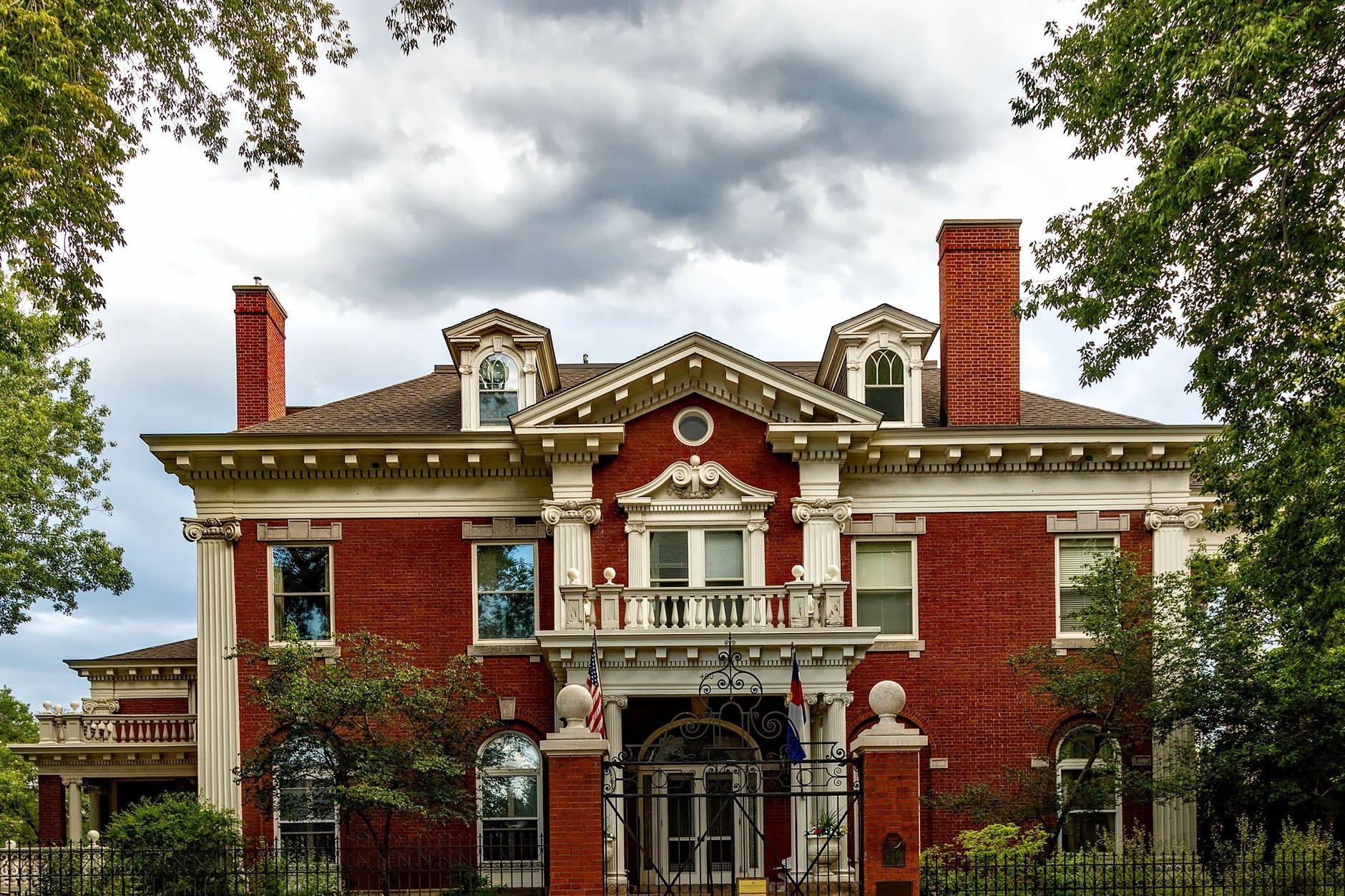
A chimney on the front of a Craftsman bungalow or a Spanish revival house is part of what people see from the street. A good repair should be hard to spot from the sidewalk a year later. That means joint profile, mortar colour, brick colour and crown shape all matched to what was there. It costs little extra when planned at the start and a lot to correct afterwards. Our post on brick repair costs for older chimneys explains how those choices show up in the figure.
Next step
We work on older chimneys in Santa Paula, Fillmore, Ventura and Port Hueneme. If you are comparing who to hire, the contact page gets us out to see the chimney and write a scope you can hold next to any other.
An Older Chimney of Your Own?
Brophy looks before it prices, keeps sound original masonry, and writes up every repair with photos first. We work from Santa Paula and reach Fillmore, Ventura, Port Hueneme and the towns around them.